Cat Tooth Pain: Signs and Relief Methods Guide
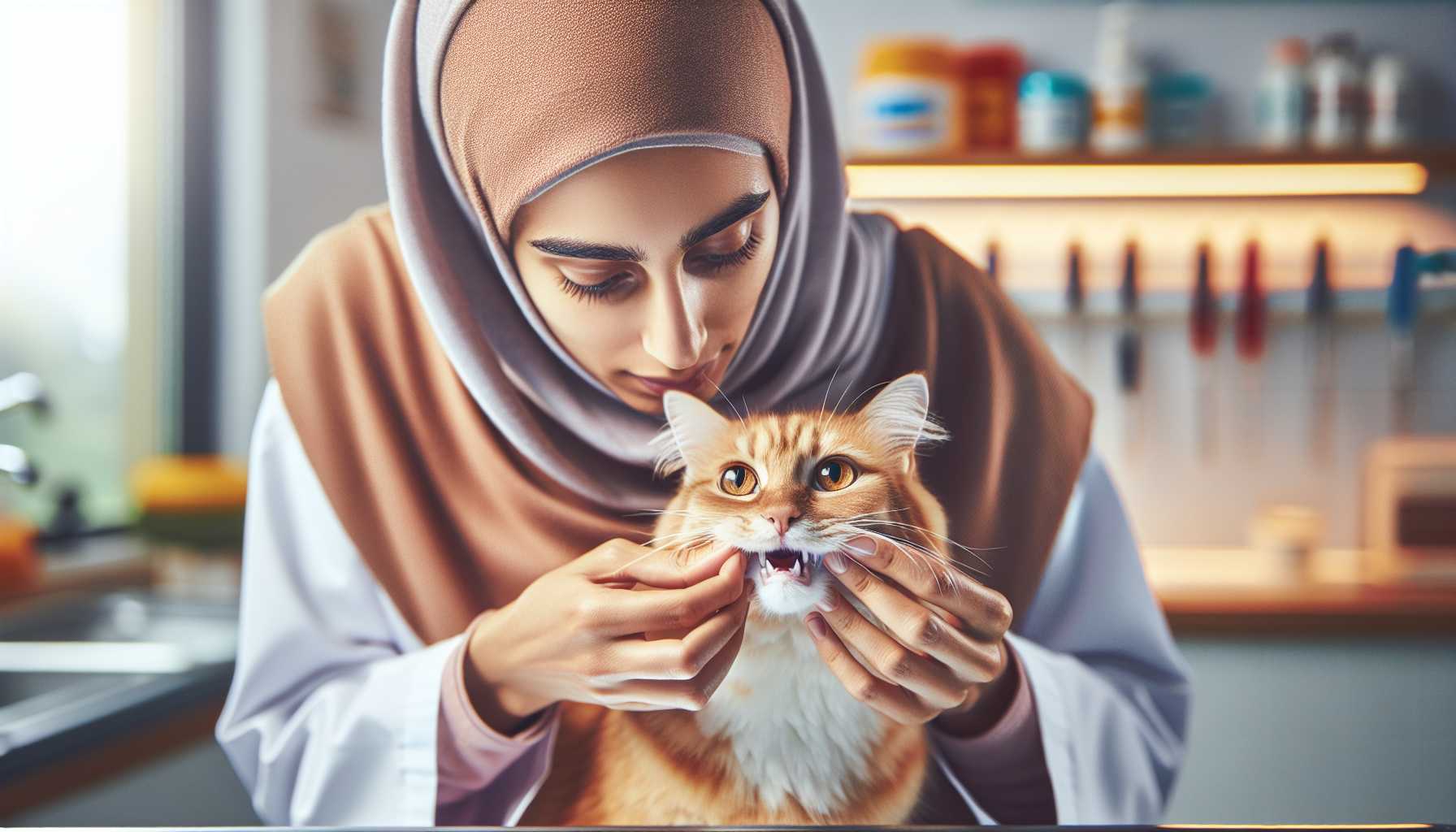
Cat Dental Discomfort: Recognizing and Alleviating the Pain
Have you noticed something amiss with your furry feline lately? It could be down to dental trouble. Cats, not unlike us humans, can suffer from dental issues that significantly impact their daily activities.
Let's provide insight on how to detect the signs and ways to alleviate your cat's dental discomfort.
Recognizing Cat's Dental Troubles
Our feline companions are adept at concealing discomfort due to their instinct for survival. As such, dental complications often go undetected until they escalate dangerously.
Over 70% of all cats suffer from dental diseases by the early age of three. However, with proper care, many of these ailments are avoidable.
Common dental conditions encompass: - Gingivitis - Periodontitis - Tooth resorption - Broken teeth - Mouth infections
Identifying the Symptoms of Cat Dental Pain
Unfortunately, your beloved pet cannot articulate its internal struggle. Instead, it expresses distress through behavioural changes. Signals to look out for include:
Adjustments in Feeding Patterns
- Eating preferentially with one side of the mouth
- Spilling food during feeding
- Opting for soft meals over dry kibble
- Losing appetite
- Weight reduction
Behavioural Indications
- Consistently touching their face or mouth
- Drooling excessively
- Stronger bad breath than usual
- Grooming with difficulty
- Reluctance to engage with toys
Physical Manifestations
- Gum inflammation or swelling
- Yellowish or brownish tartar deposit
- Obvious broken or loose teeth
- Mouth bleeding
- Swelling of the cheeks
When to Consult a Vet
Some symptoms necessitate immediate attention from a vet. Seek prompt help if you notice: - Complete refusal to eat - Extreme facial swelling - Excessive bleeding - Indications of intense pain - Difficulty in opening or closing the mouth
Swift intervention can prevent minor troubles from spiralling into serious complications. Your vet is your best resource for preserving your cat’s dental health.
Home Remedies to Mitigate Discomfort
While professional veterinary attention is paramount, there are measures you can undertake at home to provide some respite to your cat.
Alterations in Diet
A slight switch from dry kibble to softer meals can provide immediate relief. Try: - Substituting dry food with wet meals - Slightly warming up the food to enhance its scent - Softening dry food by adding water - Providing smaller meals at frequent intervals
Creating a Comfortable Surrounding
- Ensure fresh daily water supply
- Utilize shallow feeding dish
- Make food and water highly accessible
- Maintain a serene and stress-free environment
Gentle Dental Care
Human toothpaste is an absolute no-no for cats as it’s toxic to them. Instead, you can: - Use dental products exclusively designed for cats - Offer dental treats - Consider the use of water supplements formulated for feline dental health - Consult your vet about using finger brushes for a gentle clean
Specialist Treatment Options
Your vet is well-equipped with tools to address dental discomfort effectively.
Dental Inspection
An exhaustive dental scan helps identify the root cause.
- Dental x-rays and blood tests before anaesthesia could be recommended
- A complete dental health check is often performed
Regular Treatments
- Specialist dental cleansing
- Removal of affected teeth, if required
- Antibiotic treatment for infections
- Pain management using medication
- Advising on specific dental diets
Considerations for Anaesthesia
Anaesthetising your cat for dental procedures is safe and commonly practised in modern veterinary care. Your vet will: - Assess your cat’s overall health condition - Keep a close eye on vital signs throughout the process - Provide ample pain management support - Delve into a detailed aftercare plan
How to Avert Future Dental Complications
Prevention inevitably beats cure in every situation. Here's how to keep your cat's teeth healthy:
Routine Dental Care
- Regularly brush your cat's teeth (if feasible)
- Provide special dental treats and toys
- Use water supplements vet-recommended
- Organise routine dental check-ups
Diet Considerations
- Opt for high-quality cat meals
- Consider diets formulated for dental health
- Keep treats low in sugar
- Ensure balanced nutrition for good health overall
Environmental Considerations
- Provide safe chew toys
- Remove hazardous items that might damage teeth
- Promote overall good health
- Maintain a low-stress environment
Assisting Your Cat After Dental Treatment
Recovery post dental troubles calls for time and lots of patience.
Aftercare Regimen
- Stick to all instructions the vet has suggested
- Administer prescribed medications timely
- Closely monitor food and water intake
- Look out for signs of complications
Comfort Measures
- Provide a quiet recovery area
- Serve comfortable foods that your cat enjoys (approved by vet)
- Extend extra affection and gentle grooming
- Minimise stress levels
The Necessity for Regular Vet Check-ups
Preventive measures are the most efficient cures. Veterinarian visits regularly help catch problems early on.
Most cats require dental check-ups every year. Older cats and those with dental histories may need to visit more frequently.
During annual check-ups, your vet will: - Conduct a thorough inspection of your cat's mouth and teeth - Identify early disease signals - Suggest preventive measures - Discuss home care strategies
Establishing a Routine Dental Care
Commencing a routine for dental care might seem daunting but is actually quite simple.
Getting Started
- Start when your cat is in a relaxed state
- Initially, just touch their mouth
- Slowly introduce a finger brush
- Adopt positive reinforcement and bestow treats
Making it a Pleasant Experience
- Limit the session timings initially
- Use flavoured cat toothpaste
- Reward your cat for its good behaviour
- Adopt regular yet gentle approaches
Conclusion
Unbeknownst to many pet owners, cat dental troubles are fairly common. Knowing which signals to look for, you can detect the issue early on and provide your cat with the necessary help.
Recall, you're not alone in this journey. Your vet is your guide for treatments and also for preventive measures.
With appropriate care and a watchful eye, you can ensure that your cat enjoys good dental health for many years. Our beloved pets rely on us to identify when something is amiss and take action.
If you suspect any dental discomfort, please do not delay. Timely intervention always results in quicker recovery and minimal discomfort for your precious pet.